The Pros and Cons of Wide-Format Printing
A regular client asks if you can print a 12-foot mural for their lobby renovation. Say yes, and you've just opened a new revenue line. Say no, and that client finds someone else who can, then starts sending other work their way too. For shops weighing whether to bring the capability in-house, the decision comes down to specifics: what you'll print, for whom, and at what volume. This post lays out the real advantages and the real challenges, so you can make that call with clear numbers in mind.
The Pros and Cons of Wide-Format Printing
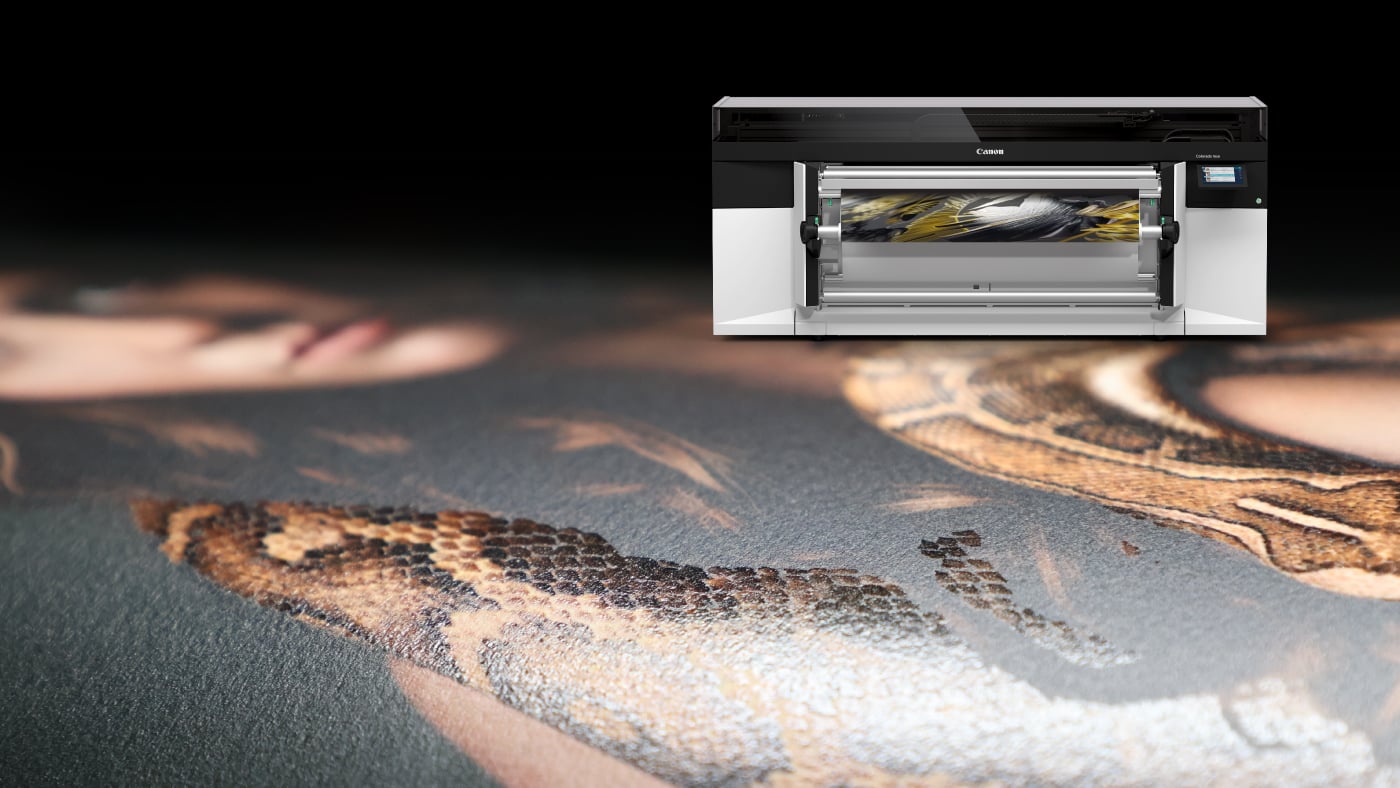
The demand side has changed significantly, and the wide-format printer applications fueling that growth go well beyond signage. Brands want immersive retail environments. Property managers want custom wallcoverings. Event producers want large-format graphics that go up fast and come down clean. The applications driving growth right now include:
- Signage — banners, building wraps, window graphics, and wayfinding for retail, hospitality, and events
- Wallcoverings — architectural films and printable wallpaper for commercial interiors and branded environments
- Décor — canvas prints, fine art reproductions, and custom home goods for e-commerce and interior design clients
- Retail graphics — floor graphics, shelf talkers, point-of-purchase displays, and seasonal campaign materials
- Experiential marketing — trade show displays, pop-up installations, and branded backdrops that require precise color and fast turnaround
Each of these categories represents recurring revenue, not one-off jobs. Shops that already produce business cards and brochures for a retail client are positioned to win the in-store graphics work too. That adjacency is part of why the expansion makes financial sense for shops already serving these markets.
The Biggest Advantages of Wide-Format Printing
Higher-Margin Products Than Commodity Printing
Business cards, brochures, and flyers are low-margin by nature. Wide-format jobs price differently. A custom wall mural on cast vinyl for a restaurant renovation, a set of backlit film graphics for a retail chain, or a series of specialty signage panels for a stadium event each command pricing that reflects both the material cost and the expertise required to produce them.
Shops that invest in media variety, including matte polypropylene, scrim vinyl, satin photo papers, and specialty laminates, can diversify into niche applications where competition from online commodity printers is limited. That specialization may protect margins better than competing on price per sheet.
More Control Over Production Timelines
Outsourcing wide-format jobs means handing off schedule control. When a client needs a corrected banner reprinted 48 hours before an event, a vendor's production queue becomes your problem. Bringing wide format in-house changes that entirely.
Shops with their own equipment can run same-day and next-day jobs without a premium surcharge, build tighter relationships with clients who have standing graphic needs, and catch errors before they become expensive reprints. For shops serving event planners, hospitality clients, or retail chains with campaign timelines, that turnaround capability is a competitive advantage.
Expanding Existing Customer Relationships
Most commercial print clients buy more than what's on their first invoice. A business that orders letterhead and business cards also needs trade show graphics, window signage, and promotional banners, and they're currently getting those from someone else if you can't produce them.
Wide-format capability lets shops consolidate that spend under one roof. Clients value the convenience of a single vendor who knows their brand standards and can match color across substrates. That consolidation tends to increase average order value and client retention without requiring new customer acquisition. Wide-format printers from LexJet are configured to handle the media range that makes multi-application production practical for commercial shops.
The Challenges Print Shops Need to Plan For
Equipment and Consumable Costs
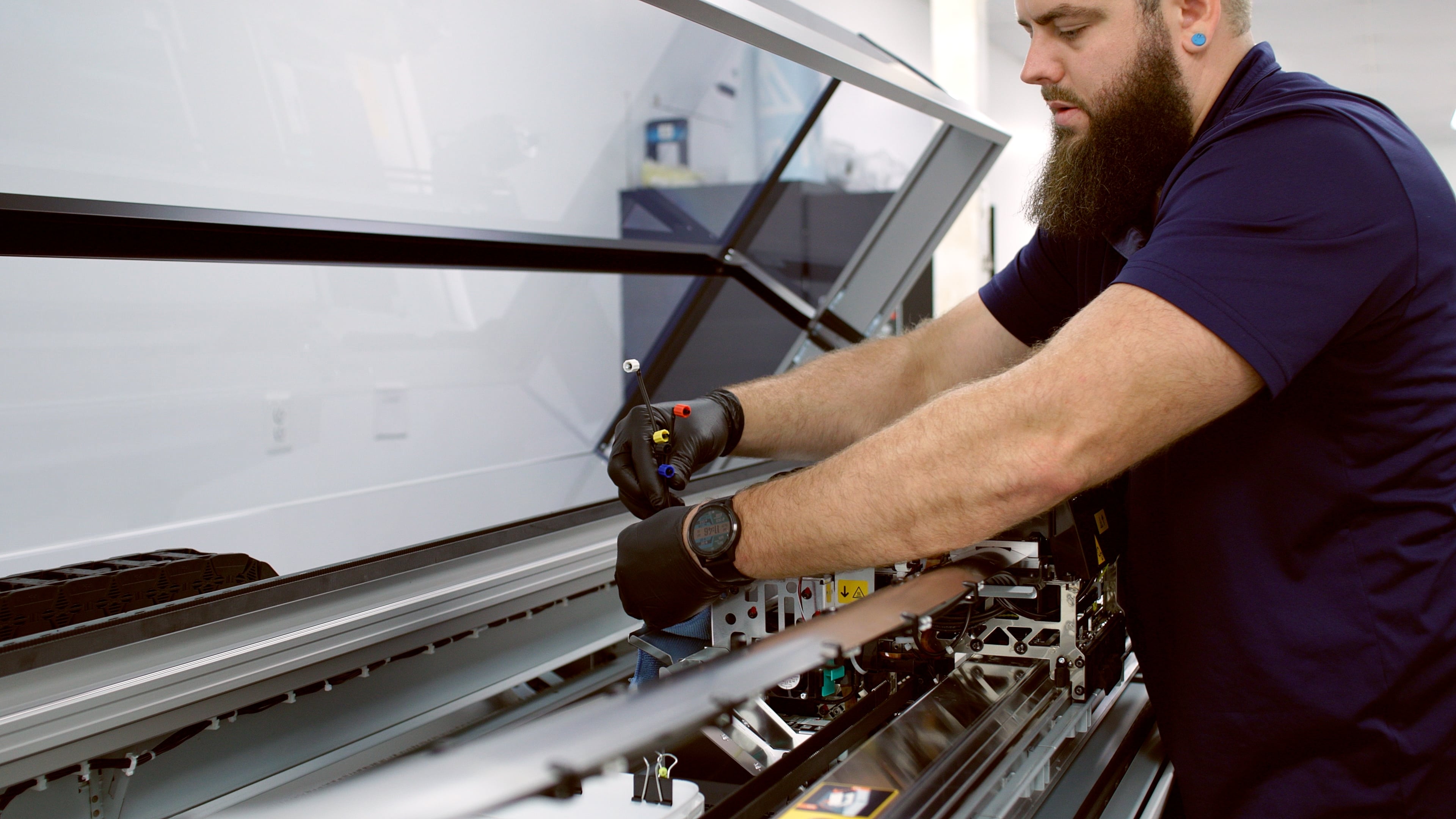
Entry-level wide-format printers have a lower price point than many shops expect, but the total cost picture is broader than the hardware. Ink consumption varies significantly by job type and media, and some applications require specialty inks, including UV-curable or latex, which affect both printer selection and consumable budgeting.
Media costs are a real factor. Printable wallcovering, rigid substrates, and specialty films carry higher per-roll prices than standard coated paper. Factoring these into job pricing before quoting is essential. Shops that underprice early jobs because they haven't accounted for consumable costs create a margin problem that compounds over time.
Color Management and Media Learning Curves
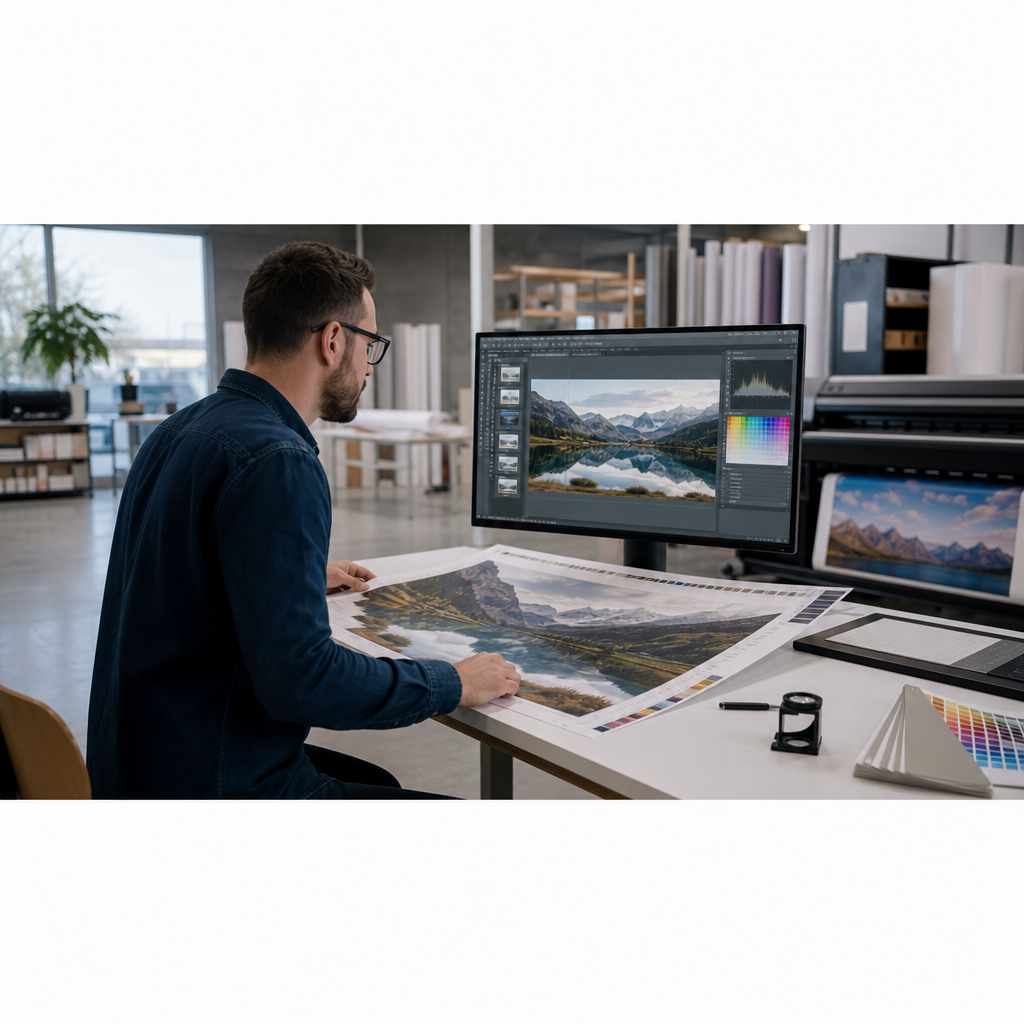
Wide-format color management is not plug-and-play. Different media types require different ICC profiles, and achieving consistent, accurate color across substrates, particularly when matching brand standards across a campaign, takes training and calibration time.
Shops new to wide format commonly underestimate this part of the process. A print that looks accurate on screen may render differently on cast vinyl, matte polypropylene, or canvas, and those differences matter to clients who are producing brand-consistent graphics. Building proficiency with RIP software and profiling workflows is as important as the printer selection itself.
Finishing Requirements Beyond Printing
The print is rarely the final deliverable. Wide-format production often requires lamination for durability and UV protection, contour cutting for die-cut shapes and custom graphics, mounting for rigid substrates and display materials, and stretching for fabric displays and trade show frames.
Each finishing step requires either equipment, outsourcing, or both. Shops that budget for the printer but not for lamination and cutting equipment end up with an incomplete production capability. Mapping the full workflow before purchasing, including what finishing steps the intended applications require, avoids that gap.
Which Shops Benefit Most From Wide-Format Printing?
Wide format isn't the right investment for every operation, but several shop types see consistent ROI from the capability:
- Sign shops — already serving clients who need custom graphics at scale; wide format expands media options and reduces outsourcing on specialty jobs
- Commercial printers — positioned to cross-sell wide format to existing accounts buying offset or digital short-run; the client base is already there
- Photographers and fine art studios — wide format enables gallery-quality output on canvas and specialty papers, plus premium product lines including acrylic and metal prints
- Décor producers — growing demand for residential and commercial custom wallcoverings, art prints, and interior graphics makes wide format a core production requirement
The shops that struggle with wide-format adoption may be those that add the equipment without a clear application focus and then try to compete on price in commodity segments. The profitable path is identifying two or three high-margin applications the existing client base actually needs, and building competency there first.
How to Decide If Wide Format Is Worth the Investment
The investment question has a practical framework. Start with what you're currently outsourcing or turning away: if those jobs represent consistent demand from clients you already have, the revenue case is relatively straightforward. If you're speculating on demand that doesn't yet exist in your client base, the timeline to ROI is longer, and the risk is higher.
Questions worth working through before deciding:
- Which applications do current clients request that you currently outsource or decline?
- What's the volume of those jobs on an annual basis, and what margin would you capture by producing them in-house?
- Does the intended application require a specific ink technology, such as latex for wallcoverings or UV-curable for rigid substrates?
- What finishing equipment does the workflow require, and what's the total capital cost including those pieces?
- Who in your operation will own training and color management, and what's the realistic ramp time?
LexJet regularly works with shops at this decision point. The right printer, media, and workflow configuration varies significantly by application mix, production volume, and existing shop capabilities. If you're evaluating a wide-format investment, talking with a product specialist before you spec equipment tends to save time and avoid expensive mismatches.
%20200-86.png?width=200&height=86&name=LexJet_PNG%20(1)%20200-86.png "LexJet")




.jpg)


Post a comment