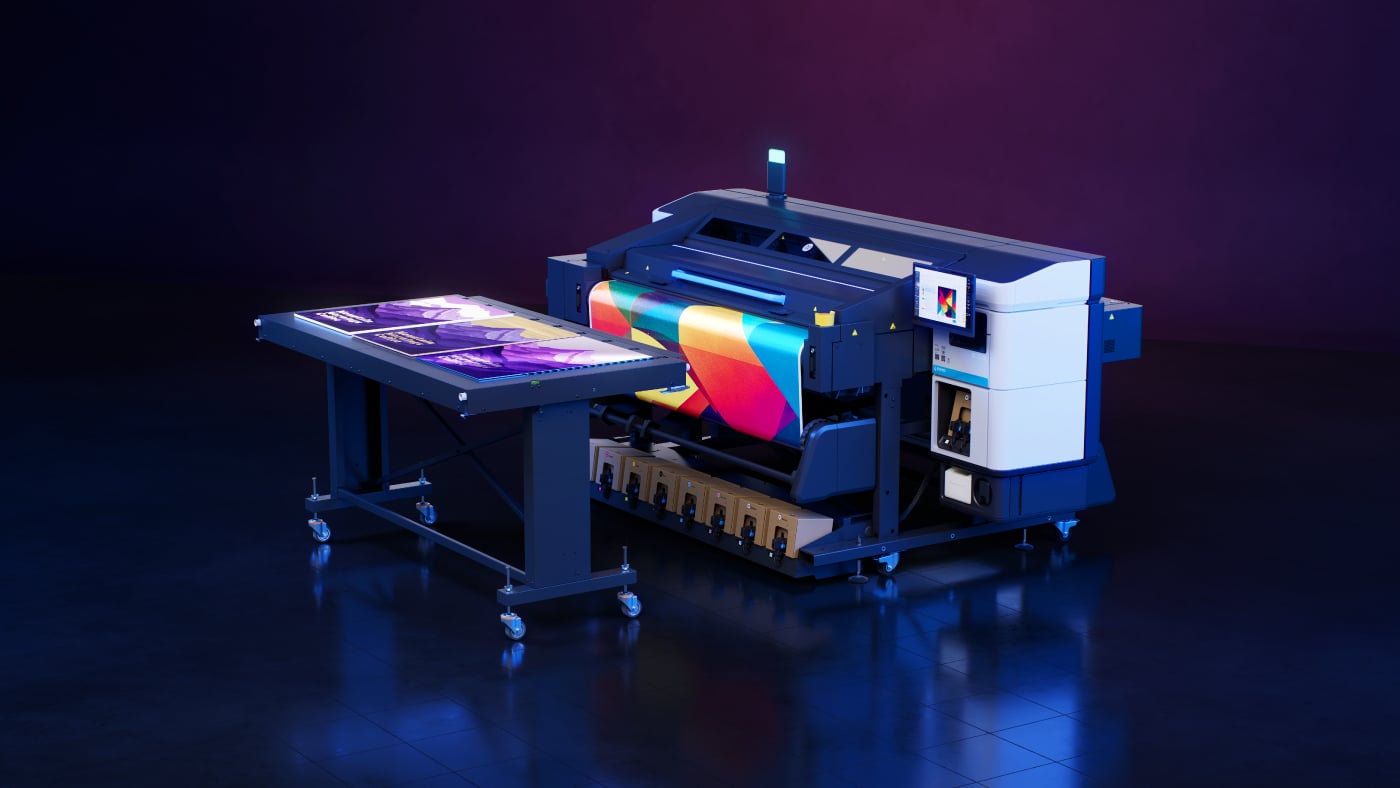
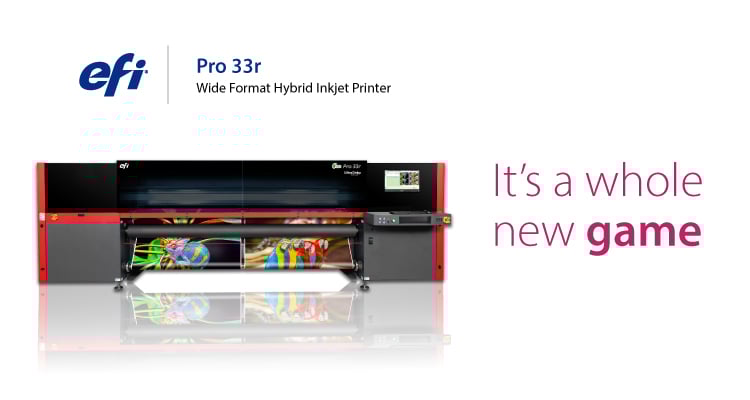
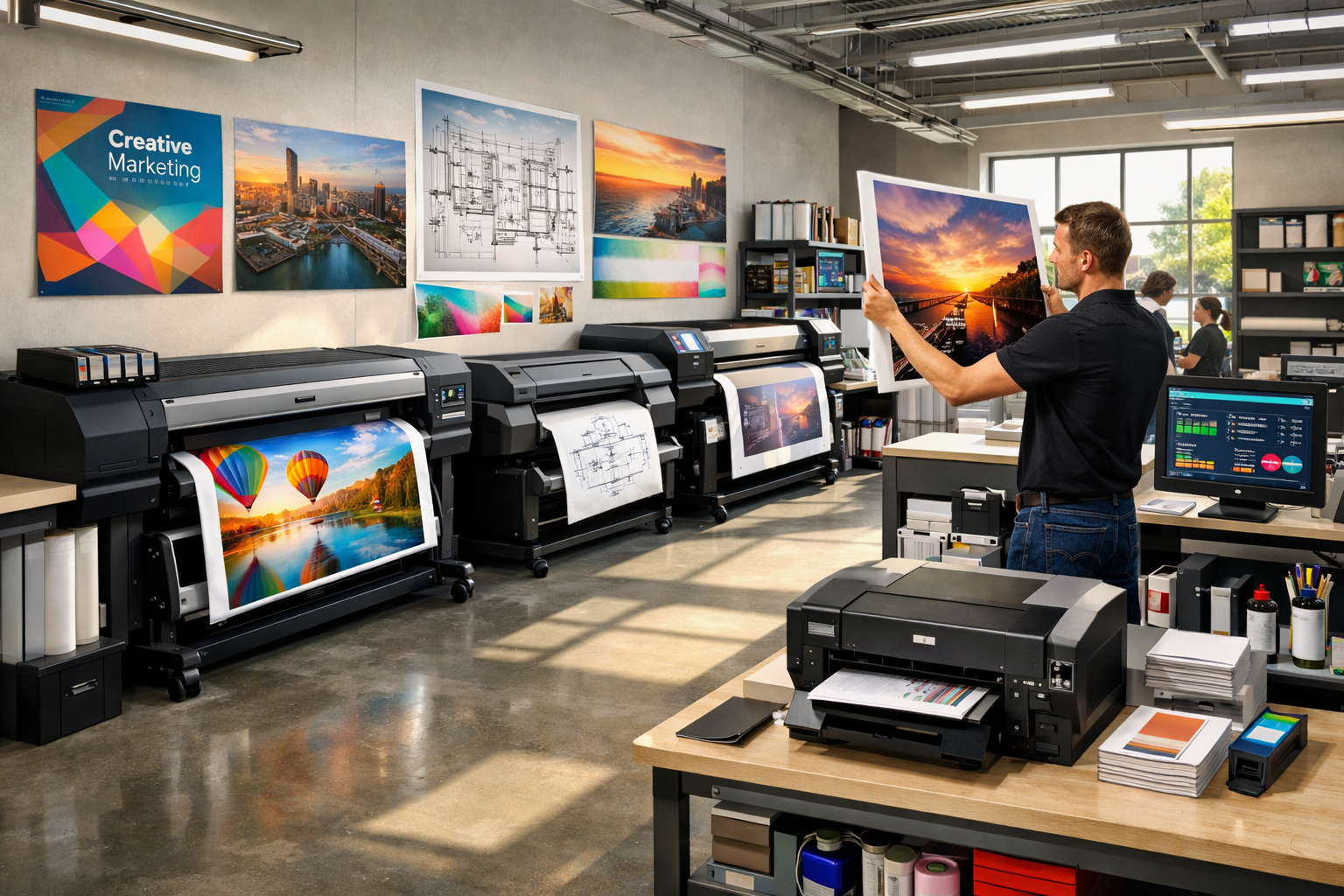
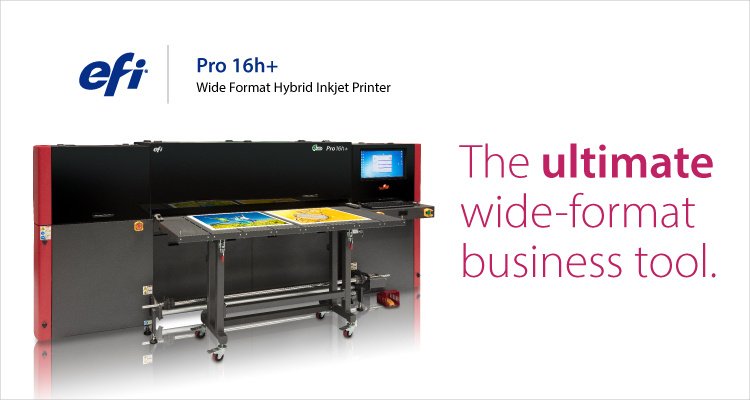
A wide-format printer is a printer designed to produce large-scale graphics, typically ranging from 18 to 126 inches wide. These printers use roll-fed media and advanced inkjet technology to create high-quality prints for applications like signage, banners, and technical drawings.
Large visuals grab attention. Whether it’s a retail display, architectural or vehicle wrap, some projects simply require printing that goes far beyond the size of a typical office printer. That’s where wide-format printers come into play, delivering eye-catching graphics that stand out.
Wide-format printing has become essential across industries like marketing, construction, design, retail, and photography. Businesses rely on these machines to produce large, high-quality visuals that make an impact.
In this guide, we’ll explain what a wide-format printer is, how it works, what it’s used for, and why businesses rely on it for large-scale graphics and signage.
What Can a Wide-Format Printer Do?
Wide-format printers are designed to handle oversized media and produce graphics that standard office printers simply cannot support. They typically print materials ranging from 18 inches to over 100 inches wide, depending on the technology.
Unlike traditional printers that use individual sheets of paper, wide-format printers often print on roll media, allowing them to create long graphics such as banners, wall coverings, and signage.
Common uses include:
Because they can print on a wide variety of materials and sizes, wide-format printers are an essential tool for businesses that produce visual communications at scale.
How Wide-Format Printers Work
At their core, most wide-format printers rely on advanced inkjet technology to produce detailed images on large materials with exceptional print quality.
Here’s a simplified look at the process:
-
Design Preparation
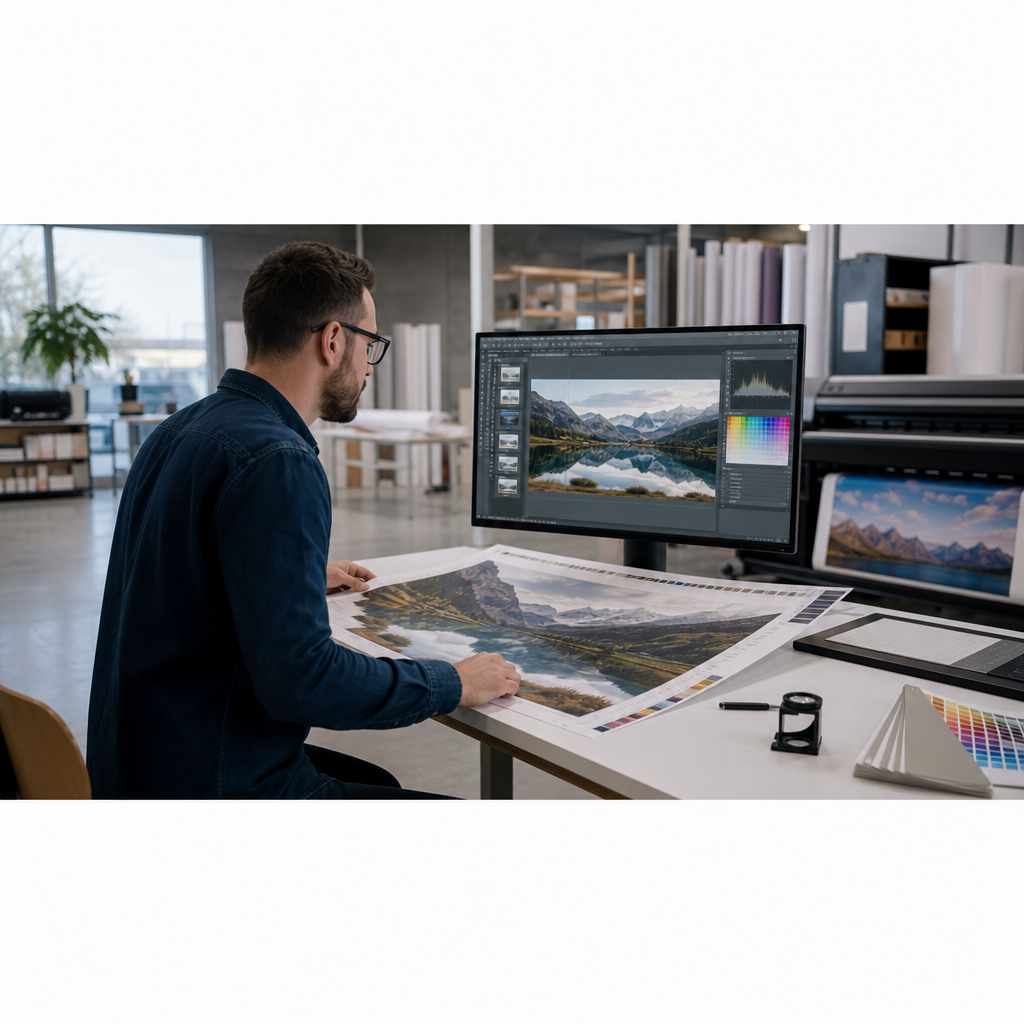
A digital design file is sent to the printer through specialized software called a Raster Image Processor (RIP). This software converts the design into precise instructions for the printer.
-
Ink Application
Tiny nozzles in the printhead release microscopic droplets of ink onto the material. Inkjet printers control these droplets with extreme accuracy to create sharp graphics and smooth color gradients.
-
Media Feeding
Instead of printing on individual sheets, wide-format printers typically feed materials from rolls such as vinyl, fabric, or paper.
-
Drying or Curing
Depending on the ink type, prints may dry naturally, cure with UV light, or pass through heating systems to set the ink instantly.
This process allows wide-format printers to produce large graphics with professional color accuracy and durability.
Types of Wide-Format Printers
Not all wide-format printers work the same way. Different technologies are used depending on the materials and applications required.
1. Aqueous Inkjet Printers
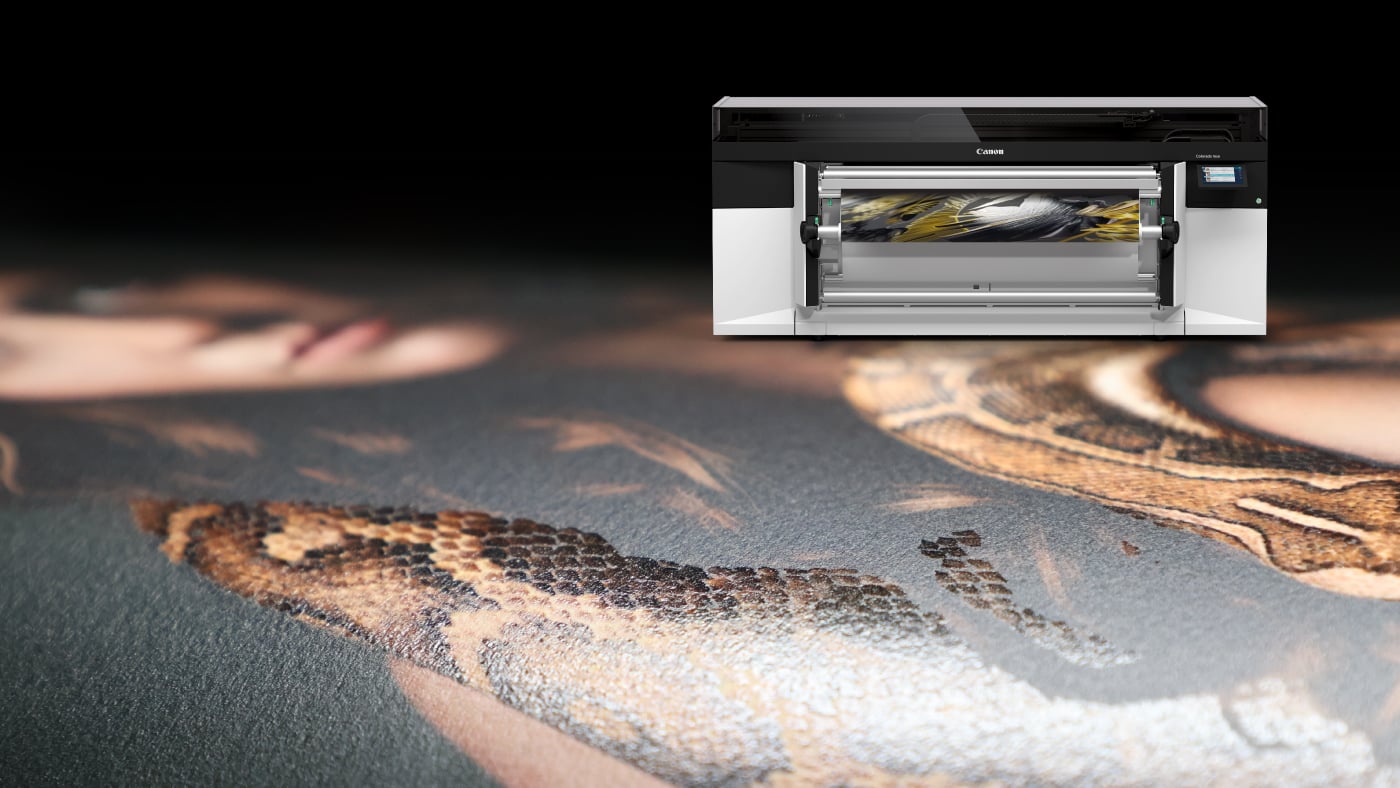
Aqueous printers use water-based inks, making them ideal for indoor applications such as posters, art prints, and photographs. These printers offer vibrant color, strong color gamut, and excellent detail, but often require lamination for outdoor durability.
2. Eco-Solvent Printers
Eco-solvent printers use a mild solvent formulation of inks that adhere well to a wide range of materials. These inks create durable prints that are resistant to water and UV exposure, making them popular for outdoor signage, vehicle wraps, and banners. Eco-solvent printers use a milder solvent formulation, producing fewer fumes than previous fully solvent systems while still offering good durability.
3. UV Printers
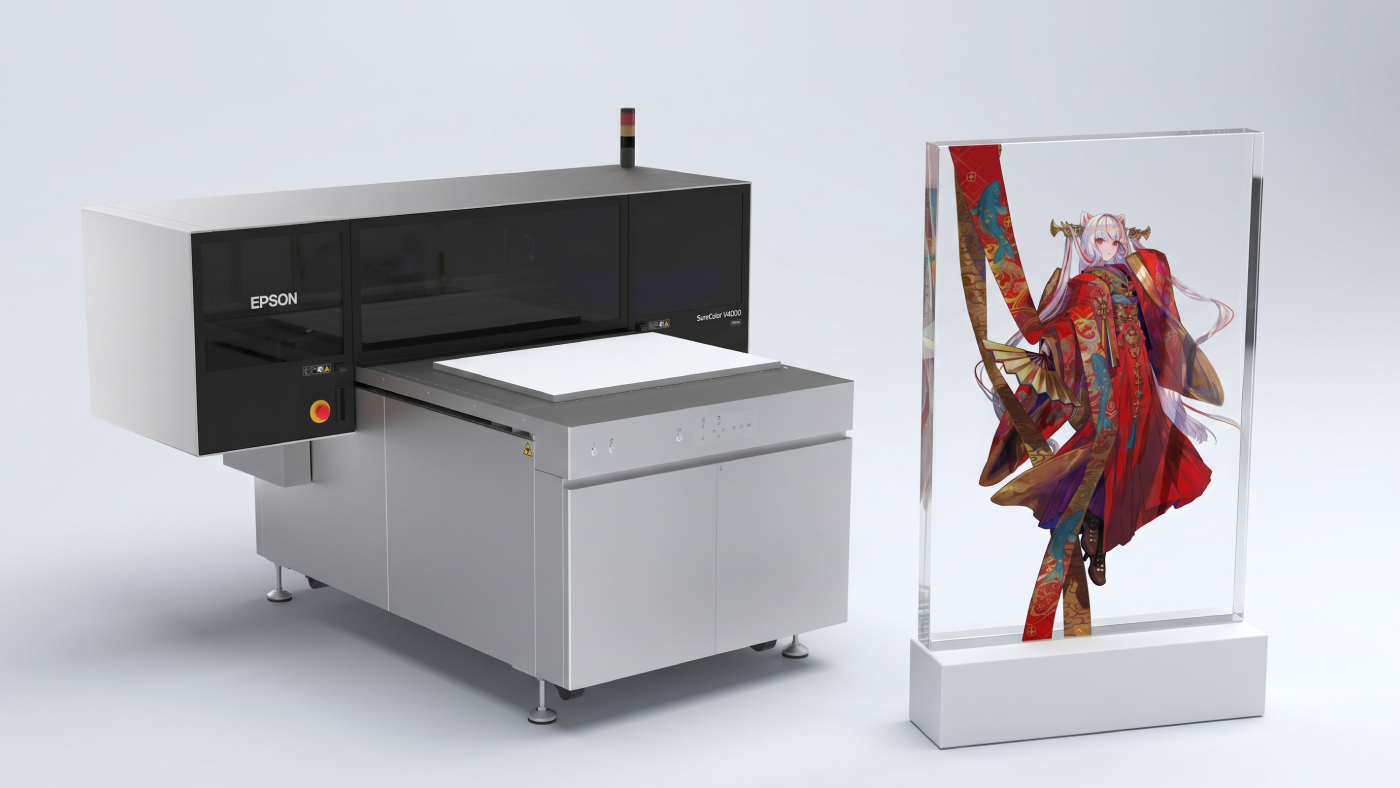
UV printers cure ink instantly using ultraviolet light. This technology allows printing directly onto rigid materials like wood, glass, metal, or acrylic, expanding the possibilities for signage and custom products and removing steps from traditional adhesive-backed prints. (mounting and laminating)
4. Dye Sublimation Printers
Dye sublimation printers are widely used for textiles, soft signage, and pretreated metals. The ink becomes part of the material through heat transfer, resulting in vibrant, durable prints.
Materials Wide-Format Printers Can Print On
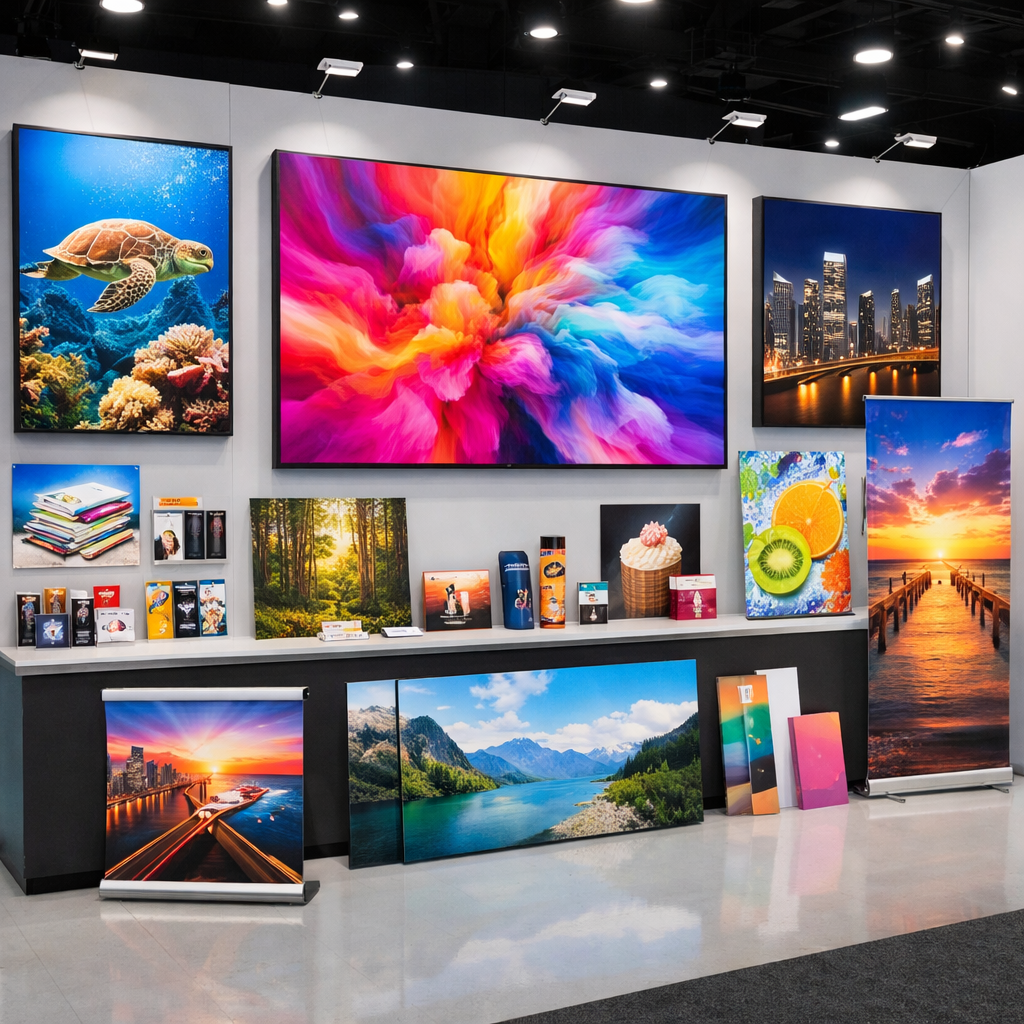
One of the biggest advantages of wide-format printing is the ability to print on a wide variety of materials, known as substrates.
Common substrates include:
This flexibility allows businesses to create everything from storefront signage to trade show displays and interior décor.
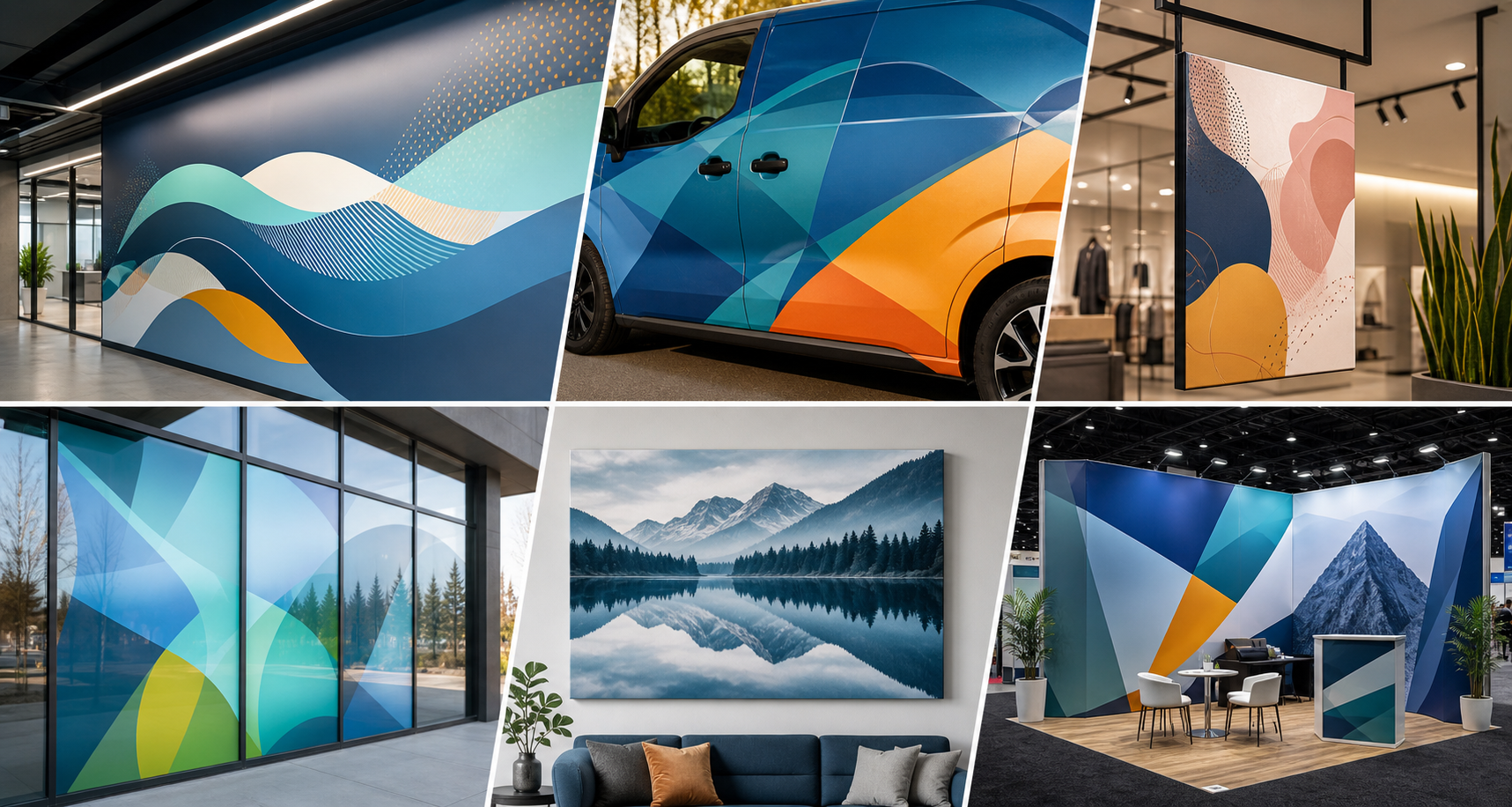
Common Applications of Wide-Format Printing
Wide format printers are used in many industries where visual communication matters.
Retail and Advertising
Retailers use large format graphics for:
Large prints attract attention and communicate messages clearly, even from a distance.
Architecture and Engineering
Wide-format printers are essential for producing blueprints, construction plans, and technical drawings. These documents often require precise detail and larger formats that standard printers cannot handle.
Event and Trade Show Graphics
Trade shows rely heavily on wide-format printing to create:
-
Booth backdrops
-
Floor graphics
-
Hanging banners
-
Directional signage
-
Fabric Stretch Displays
These graphics help businesses stand out in crowded event environments.
Interior Design and Décor
Wide format printing also supports custom interior design elements such as:
-
Wall murals
-
Custom wallpaper
-
Branded office graphics
-
Decorative panels
-
Acoustic panel graphics
This allows businesses to transform spaces into immersive brand environments.
Vehicle Wraps
Vehicle wraps turn cars, trucks, and buses into mobile advertisements. Wide-format printers produce the large vinyl graphics used to cover vehicles with branded designs.
Advantages of Wide-Format Printing
Businesses choose wide-format printers for several reasons.
1. Large Print Capability
The most obvious benefit is the ability to produce large graphics in a single print, eliminating the need to assemble multiple smaller sheets.
2. Professional Quality
Modern wide format printers produce extremely detailed prints with accurate colors, smooth gradients, and high resolution.
3. Versatile Materials
Wide format printers can print on a broad range of substrates, allowing businesses to create signage, textiles, decals, and more.
4. Cost Efficiency for Large Graphics
Producing large prints in-house can reduce outsourcing costs and turnaround times, especially for businesses that regularly create signage or promotional graphics.
5. Customization and Flexibility
Wide-format printing allows businesses to produce custom graphics on demand, whether it’s a single poster or a full trade show display.
Choosing the Right Wide-Format Printer
If your business is considering a wide-format printer, there are several factors to evaluate.
Print Size Requirements- Different printers support different maximum widths, so choose one that matches the size of your typical projects.
Media Compatibility- Make sure the printer supports the materials you plan to use, such as vinyl, fabric, or rigid substrates.
Print Volume- High-volume environments like sign shops or production facilities may require faster, industrial-grade machines.
Ink Technology- Ink type affects durability, color output, and compatible materials. Consider whether you need indoor graphics, outdoor signage, or both.
Workflow Integration- Many wide-format printers integrate with design software and printing software solutions to streamline production.
Why Wide-Format Printing Is Essential for Modern Businesses
Visual communication plays a major role in marketing, branding, and wayfinding. From retail displays to architectural drawings, wide-format printing helps organizations communicate ideas clearly and creatively.
Because wide-format printers can handle oversized materials and diverse substrates, they open the door to applications that traditional printers simply cannot support.
For businesses that rely on high-impact graphics, wide-format printing remains one of the most powerful tools available.
To learn more about wide-format printers and how to choose the right solution for your business, contact a Customer Specialist at 800-453-9538 or visit LexJet.com.
%20200-86.png?width=200&height=86&name=LexJet_PNG%20(1)%20200-86.png "LexJet")



.jpg)


Post a comment