%20200-86.png?width=200&height=86&name=LexJet_PNG%20(1)%20200-86.png "LexJet")
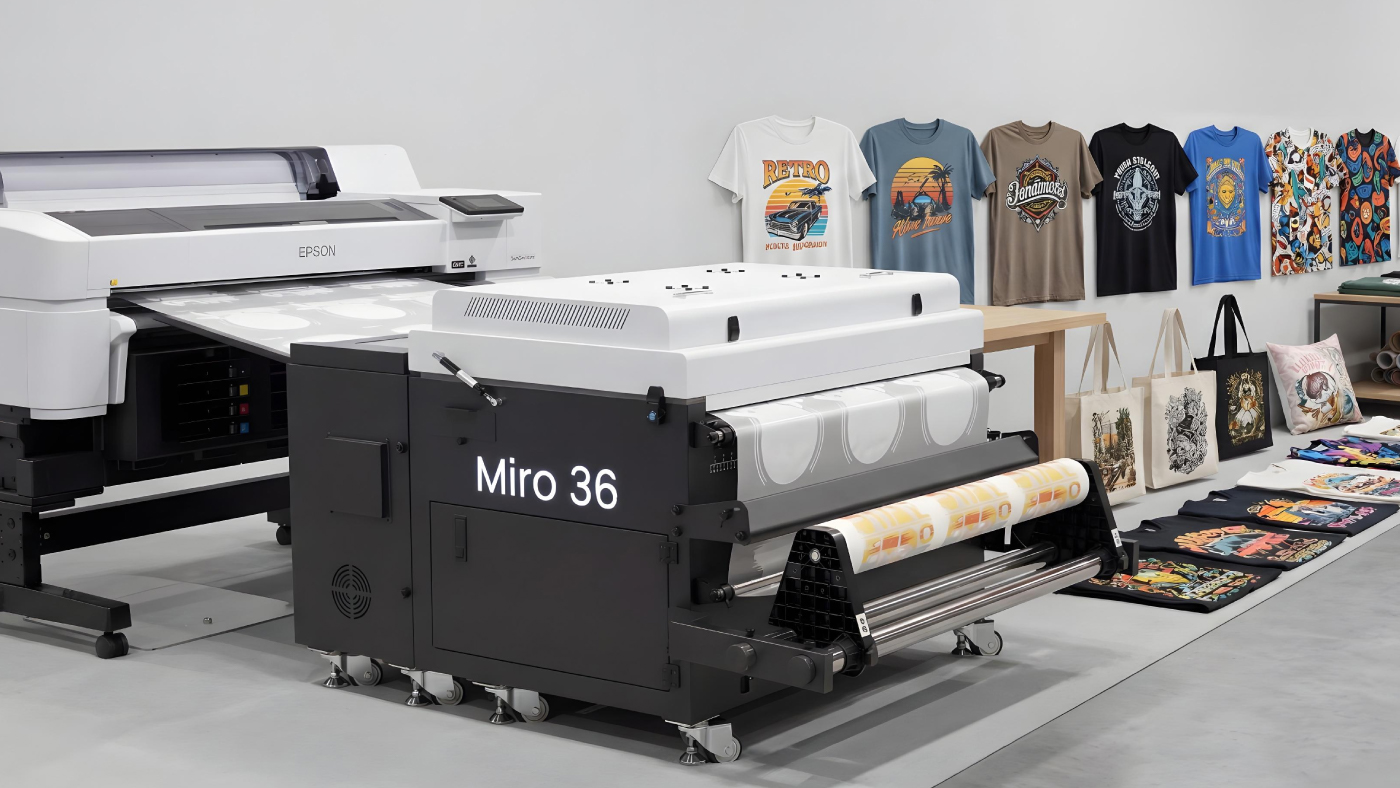
In DTF printing, image quality often gets most of the attention, but some of the biggest factors affecting transfer quality happen after the image leaves the printer.
Powder application, powder removal, and curing all play a major role in determining how a transfer looks, feels, and performs once it's applied to a garment. Understanding how these steps affect the final transfer is critical to achieving consistent, high-quality results.

What Does DTF Powder Do?
The powder is what ultimately bonds the printed image to the garment. When powder coverage is inconsistent, you can experience:
- Adhesion issues
- Reduced wash durability
- Stiffer transfers
- Material waste
Consistent powder application helps create transfers that look better, feel better, and perform more reliably after repeated washing. The goal isn't simply applying powder- it's applying the right amount every time.
Can Too Much DTF Powder Cause Problems?
Many users assume more powder equals better adhesion. In reality, excess powder can:
- Create a heavier hand feel
- Reduce detail in fine graphics
- Increase material waste
- Make transfers feel less premium
Insufficient coverage can lead to incomplete adhesion, reduced wash durability, and inconsistent transfer performance. This is why understanding powder in the DTF process can save you a lot of headaches and cost.
Why Is DTF Curing Important?
Proper curing helps activate the adhesive powder so it can bond effectively to the garment during heat application. Inconsistent curing can affect adhesion, durability, and overall transfer performance. Consistent temperature and curing conditions help create more reliable results from one transfer to the next.
Why Is Film Important in DTF Printing?
Film selection impacts both production efficiency and the final transfer experience.
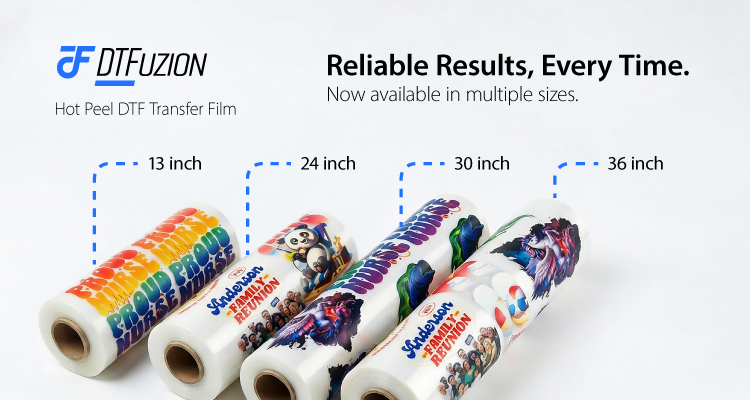
The DTFuzion Hot Peel DTF Transfer Film allows users to peel immediately after pressing rather than waiting for transfers to cool. For a busy shop, that means:
- Faster order completion
- Less waiting between steps
- Improved production flow
- Faster turnaround times
When producing dozens or hundreds of garments, time savings add up quickly.
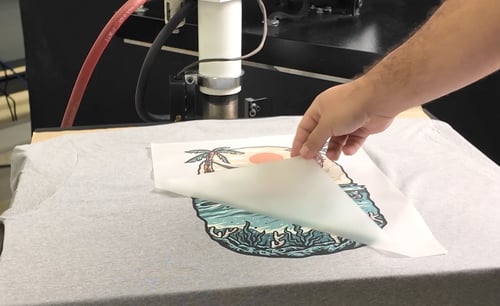
But speed isn't the only consideration. Film also plays an important role in print consistency, powder adhesion, and transfer release performance.
A quality film helps ensure printed details remain sharp, powder is applied evenly, and transfers release cleanly after pressing. That consistency becomes increasingly important as production volume grows, and shops look to maintain quality across every order.
Bringing It All Together
For shops producing DTF transfers at volume, consistency becomes just as important as print quality.
DTF production isn't a single step. Every transfer moves through a series of processes that need to work together consistently:
- Printing
- Film handling
- Powder application
- Powder removal
- Powder melting and curing
- Heat transfer
A weak link at any point in the process can affect the final result.
That's why many shops choose to build a workflow around products designed to work together rather than mixing components and troubleshooting inconsistencies later.
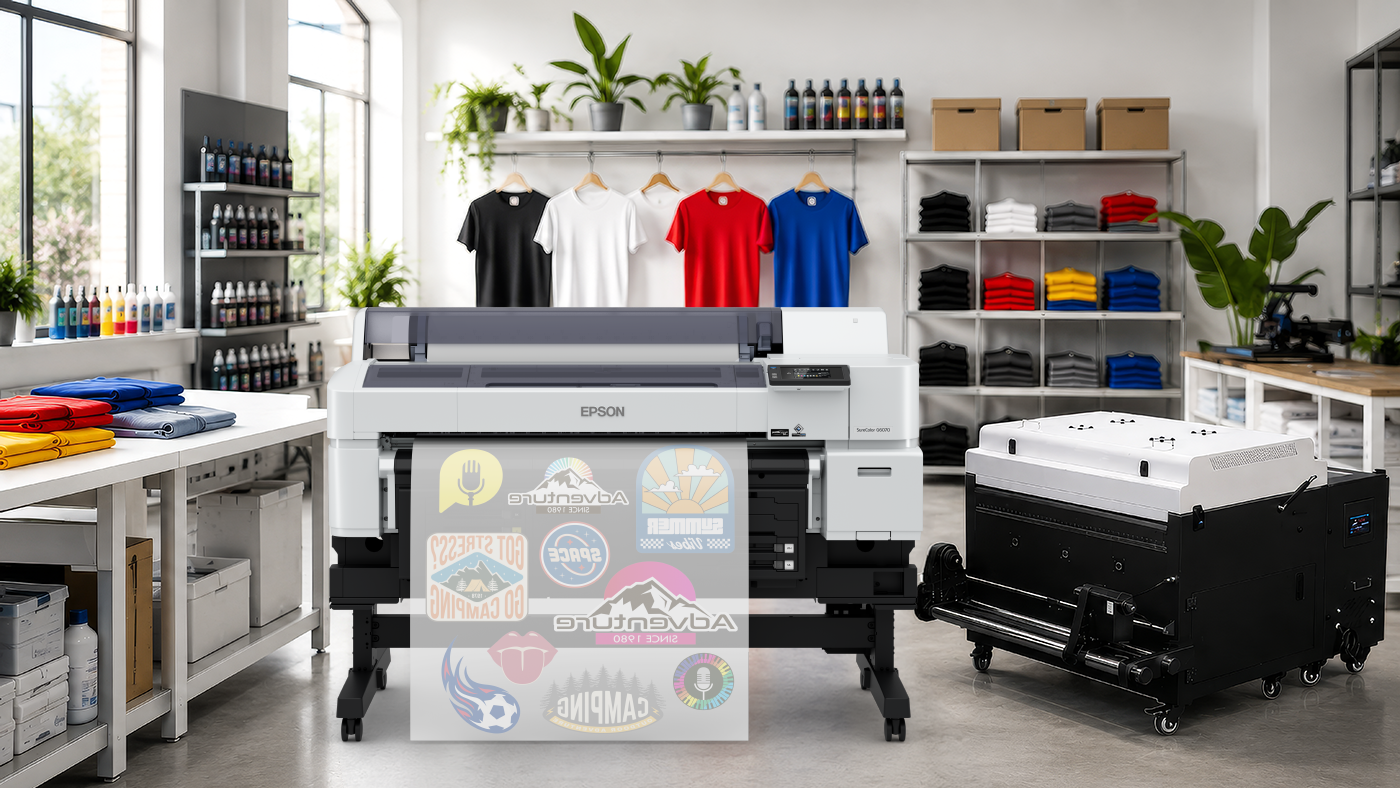
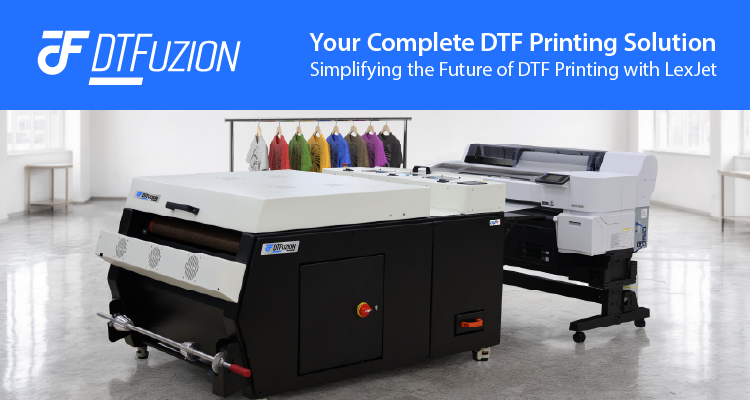
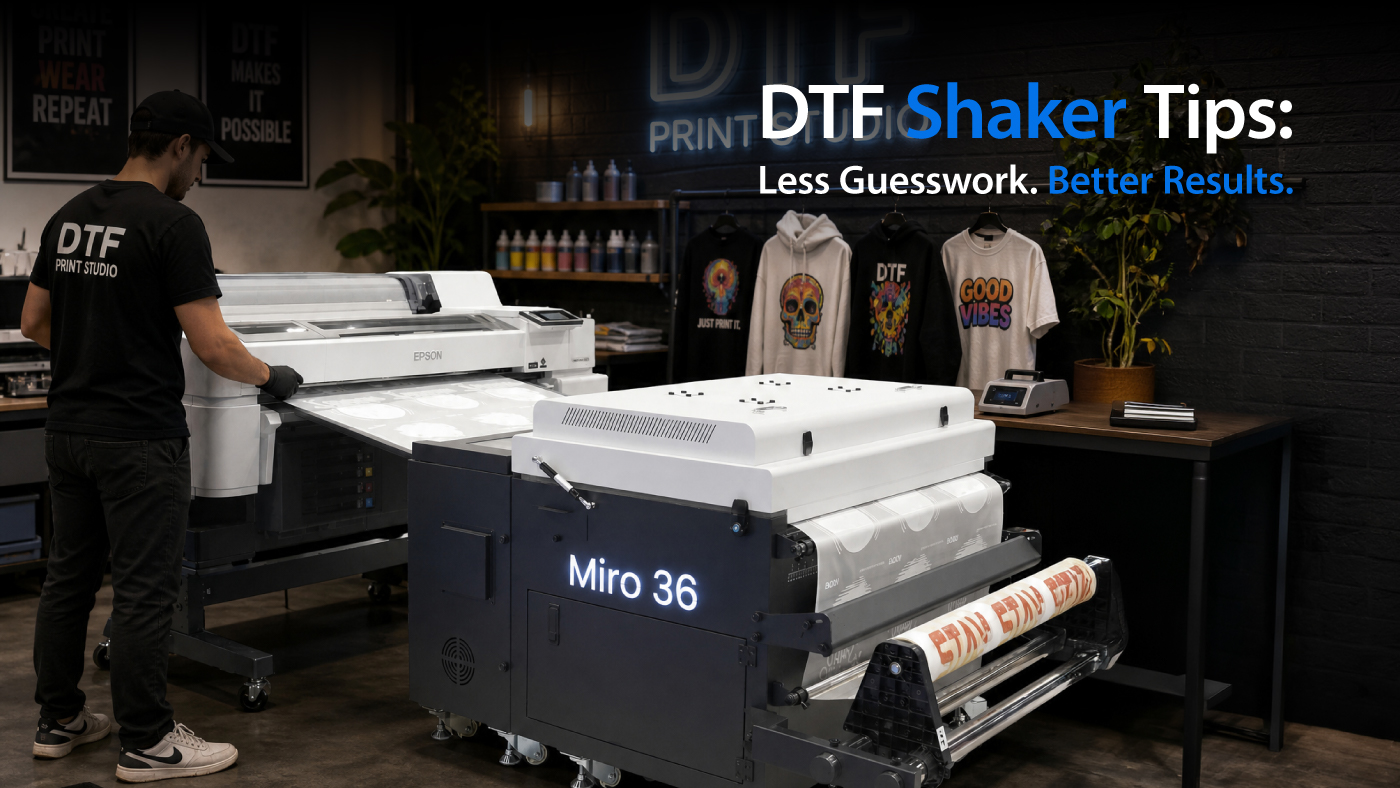
The DTFuzion Adhesive Powder, DTFuzion Hot Peel Film, and Miro 36 DTF Shaker are designed to work together to help create a more repeatable process from print to transfer.
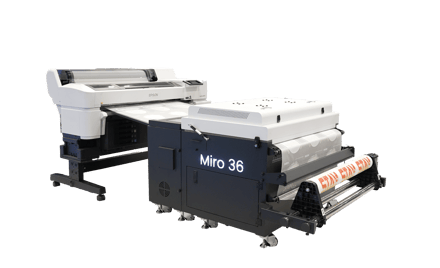
By automating powder application, powder removal, and curing, the Miro 36 DTF Shaker helps reduce variability and deliver more consistent results across production runs.
As volume increases, manual powder application often introduces variability:
- Different operators apply powder differently
- Coverage can vary from job to job
- Curing consistency becomes harder to maintain
By building a workflow around products designed to work together, you can reduce variability, improve efficiency, and deliver more reliable results.
To learn more about DTF printing and the DTFuzion workflow, visit our DTF resource page, contact a Customer Specialist at 800-453-9538, or visit LexJet.com.
Continue Learning About DTF Printing
Want to dive deeper into DTF workflows, materials, and production best practices? Explore these additional resources:
Why Some DTF Transfers Fail (And How the Right Film Might Fix It)
Steady Output Starts with the Right Shaker
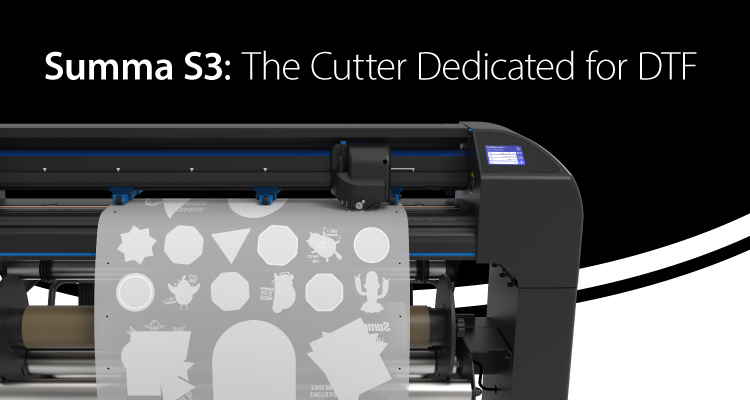
Cut with Confidence: A Cutter Built for DTF Workflows

Liliana Wright
Drawing on her background as a print business owner, Liliana combines creative expertise with real-world printing experience. At LexJet, she helps print professionals navigate challenges, optimize their workflows, and uncover new opportunities through innovative print technologies and media solutions.
Browse Posts



.jpg)
- August 2026
- July 2026
- June 2026
- May 2026
- April 2026
- March 2026
- February 2026
- January 2026
- December 2025
- November 2025
- October 2025
- September 2025
- August 2025
- July 2025
- June 2025
- May 2025
- April 2025
- March 2025
- February 2025
- January 2025
- December 2024
- November 2024
- October 2024
- September 2024
- August 2024
- July 2024
- June 2024
- May 2024
- April 2024
- November 2023
- September 2023
- January 2023
- November 2022
- October 2022
- September 2022
- August 2022
- June 2022
- November 2021
- February 2020
- September 2019
- May 2019
- November 2018
- August 2018
- May 2018
- April 2018
- March 2018
- August 2017
- July 2017
- June 2017
- May 2017
.jpg)

Post a comment