Whether you're protecting indoor graphics, vehicle wraps, industrial signage, or outdoor displays, choosing the right coating can have a significant impact on how well the finished print performs over time.
Some projects simply need a protective finish that keeps production moving efficiently. Others must withstand constant handling, harsh weather, cleaning chemicals, or even graffiti. That's where understanding the difference between one-part and two-part coating systems becomes important.
The best coating isn't always the simplest- or the most advanced. It's the one designed for the demands of the application.
Why Coating Chemistry Matters
A coating does much more than add a protective layer to a print. It helps determine how the finished graphic will perform throughout its life.
The right coating can help improve:
- Abrasion resistance
- Chemical resistance
- UV protection
- Surface appearance
- Long-term durability
- Ease of cleaning and maintenance
Before choosing a coating, ask one simple question:
What does this finished print need to withstand?
The answer will often determine whether a one-part or two-part coating system is the better choice.
What Is a One-Part Coating?
One-part coatings are designed for production efficiency. They're ready to use without mixing, making them an excellent choice for shops that need a streamlined workflow and dependable protection for everyday graphics.
One-part systems are commonly used for:
- Standard indoor graphics
- Many outdoor applications
- Retail displays
- POP graphics
- General signage
Because they require fewer preparation steps, they help reduce production time while still providing reliable protection for many wide-format applications.
For many print providers, a one-part coating offers the right balance of performance and productivity.
What Is a Two-Part Coating?
Unlike a one-part coating that's ready to use, a two-part coating combines a coating with an activator before application. This chemical reaction creates a finish engineered for applications that demand greater durability and resistance than standard coatings can provide.
Two-part coatings are often selected when graphics must withstand:
- Heavy abrasion
- Frequent handling
- Cleaning chemicals
- Graffiti removal
- Long-term outdoor exposure
- Challenging substrates
Although they require an additional mixing step, today's two-part systems are designed to be straightforward to use. Marabu provides clear mixing ratios, application instructions, and proven workflows that make implementation easy.
For projects where long-term performance is critical, the small amount of additional preparation is often well worth the added protection and durability.
How Do You Choose Between One-Part or Two-Part Coatings?
The intended use of the finished graphic should always guide your coating selection.
|
Application
|
One-Part Coating
|
Two-Part Coating
|
|
Retail graphics
|
✓ Excellent choice
|
|
|
POP displays
|
✓ Excellent choice
|
|
|
Standard indoor signage
|
✓ Excellent choice
|
|
|
General outdoor graphics
|
✓ Suitable for many applications
|
|
|
Long-term exterior graphics
|
|
✓ Recommended
|
|
Industrial graphics
|
|
✓ Recommended
|
|
Graphics exposed to chemicals
|
|
✓ Recommended
|
|
Graffiti-prone environments
|
|
✓ Recommended
|
|
Heavy handling or repeated cleaning
|
|
✓ Recommended
|
Rather than asking, "Which coating is better?" ask, "Which coating is designed for this application?"
Matching the chemistry to the performance requirements helps ensure the finished graphic performs as expected.
For demanding applications, that extra effort can help reduce reprints, extend graphic life, and improve customer satisfaction.
Choosing the Right Chemistry for the Job
No single coating is the right solution for every application. Before selecting a coating, consider:
- Will the graphic be used indoors or outdoors?
- How much handling will it receive?
- Will it be cleaned regularly?
- Will it be exposed to chemicals or graffiti?
- What level of durability does the customer expect?
- How long should the graphic last?
Answering these questions first makes it much easier to choose the coating system that aligns with your project's performance goals.
Marabu Offers a Coating System for Every Application
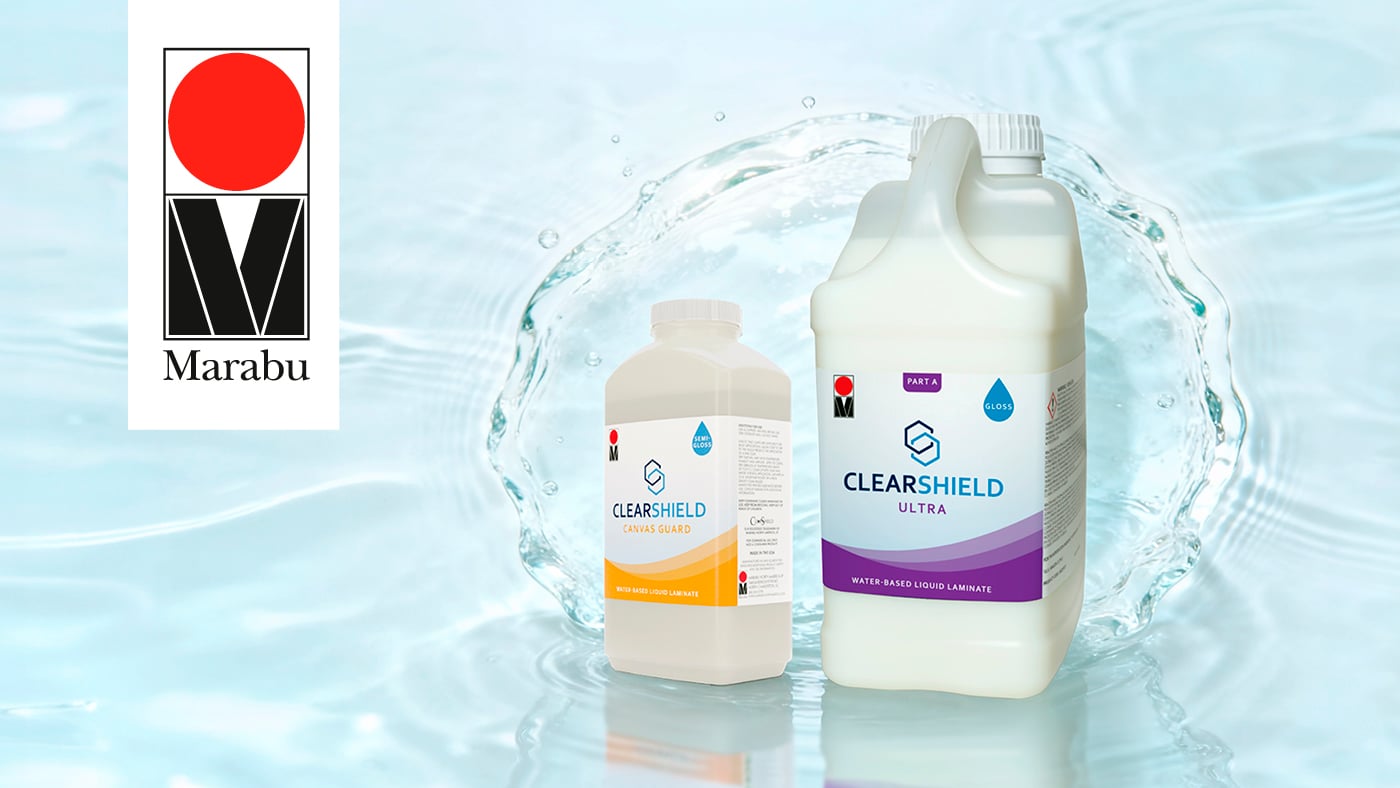
Marabu's portfolio includes both one-part and two-part coating systems designed to support a wide range of digital print applications.
If you're unsure which coating system is best for your application, the LexJet team can help you identify the right Marabu solution based on your media, production process, and performance requirements.
To learn more, contact a Customer Specialist at 800-453-9538 or visit LexJet.com.
%20200-86.png?width=200&height=86&name=LexJet_PNG%20(1)%20200-86.png "LexJet")



.jpg)
Post a comment